Author: hedwigshotel_ooh6gp
-
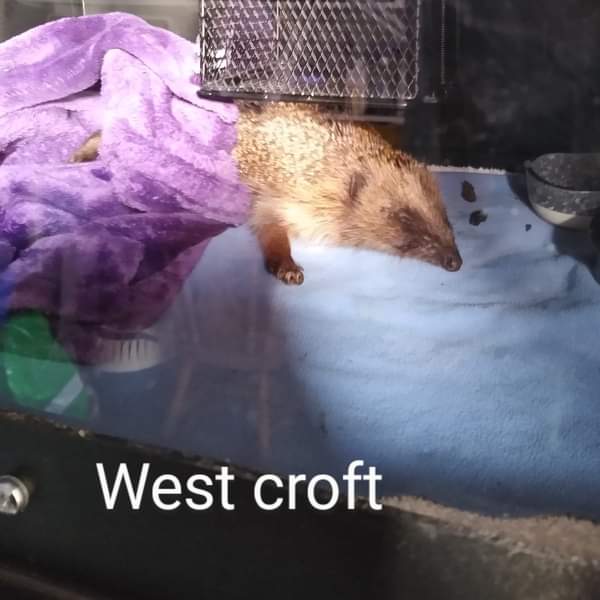
On April 19th I had a missed call from west croft school.
On April 19th I had a missed call from west croft school. Odd I thought as I don’t have any children there anymore. I called back and they had found a hedgehog 🦔 out in the daytime. A lovely staff member brought him to us that afternoon. On first inspection he looked like he didn’t
-

A little update on Mr Wheezy,
A little update on Mr Wheezy, He is still having breathing issues but he is much better than before, we also found Capillaria so has had treatment for that too. He does have toes but he’s hiding them 😂 We are hoping once the meds finish he will continue to improve and be able to
-
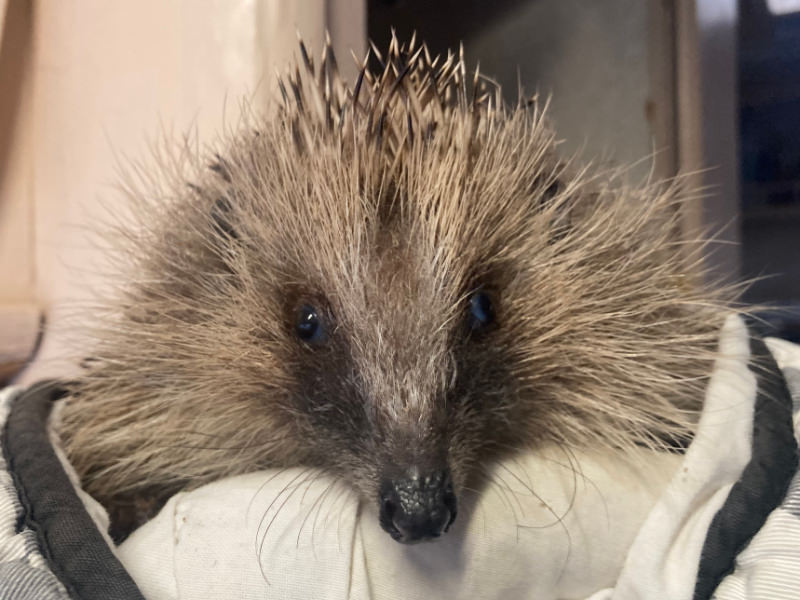
Another two returned to the wild last night, unfortunately I wasn’t thinking and
Another two returned to the wild last night, unfortunately I wasn’t thinking and forgot to take photos 🫣 Henrietta went home first, she has been with us since mid December weighing in at 305g, she was treated for internal parasites and been waiting for the right temperatures for release. She left us weighing 1149g so
-
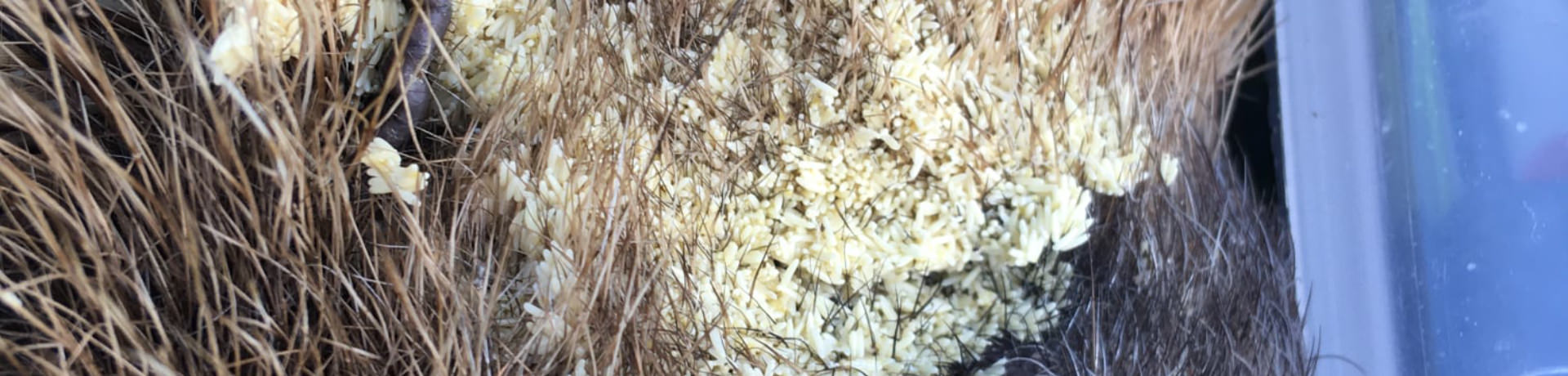
Flystrike
In the whimsical world of hedgehogs, where adorable snuffles and tiny pawprints often steal the show, there exists a silent menace known as flystrike. While these spiky companions charm their way into our hearts with their endearing antics, flystrike poses a serious risk to their health and well-being. Let’s delve into the intricacies of this…
-
Thorny Headed Worms
Thorny headed worms, also known as acanthocephalans, are a type of parasitic worm that can infect hedgehogs. These worms have a unique appearance, with a spiny proboscis at one end that they use to attach to the wall of the host’s intestines.
-
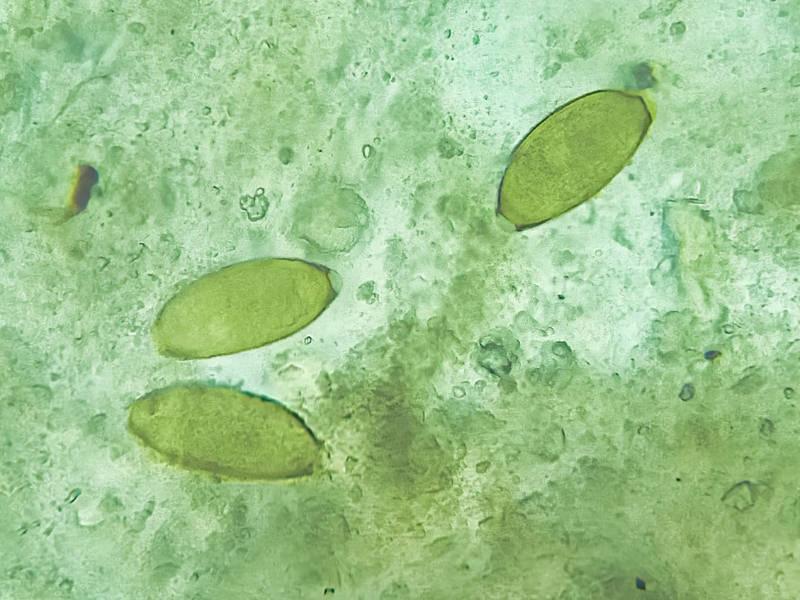
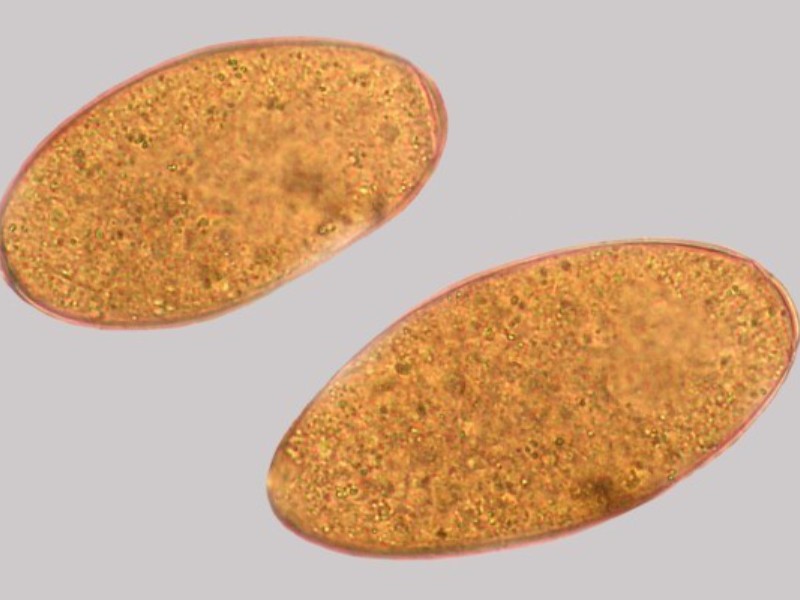
Roundworms (Capillaria)
Roundworms, also known as ascarids, are a type of parasitic worm that can infect hedgehogs. The most common species affecting hedgehogs is Toxocara canis, which is the same species that commonly infects dogs.
-
-
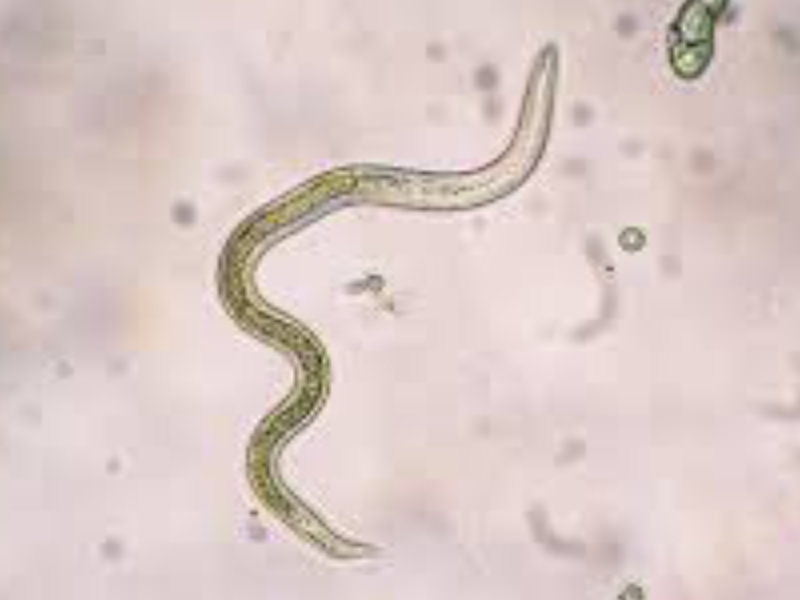
Lungworm
Lungworm refers to several parasitic worms that can infect the lungs and respiratory tract of animals, including dogs, cats, and occasionally humans. The most common types of lungworms affecting dogs are Angiostrongylus vasorum and Aelurostrongylus abstrusus in cats. These parasites typically have complex life cycles involving intermediate hosts such as snails, slugs, or frogs.
-
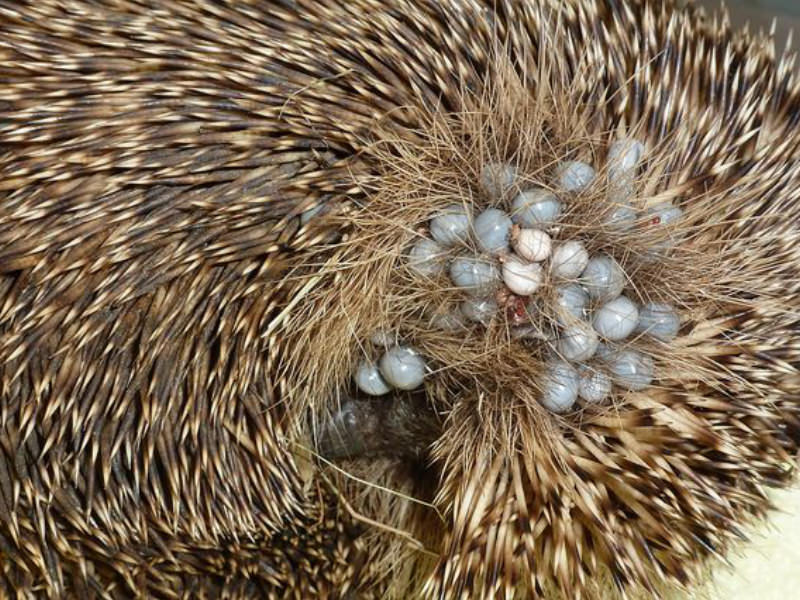
Tick Infestation
Ticks are small arachnids that belong to the order Parasitiformes. They are ectoparasites, meaning they live on the outside of their host’s body and feed on their blood. Ticks are commonly found in grassy, wooded, or brushy areas where they wait on vegetation for passing animals to latch onto.
-
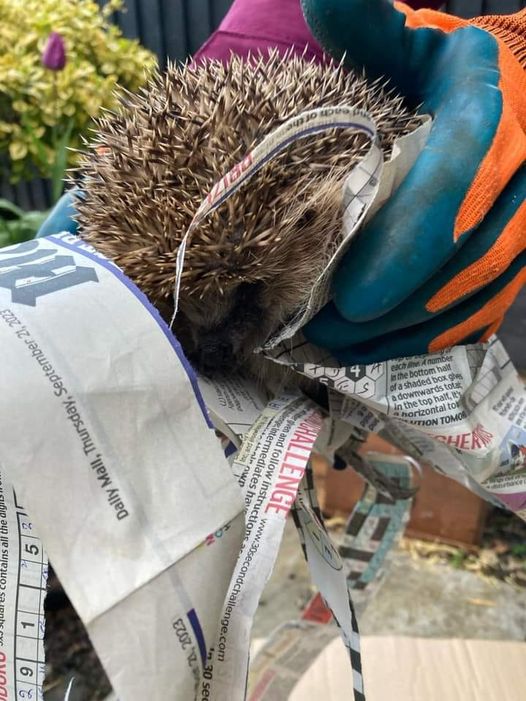
Tonight we waved farewell to the lovely Falkor, he has been with us a while, has
Tonight we waved farewell to the lovely Falkor, he has been with us a while, has overcome lungworm and Capillaria. He weighs 3 times what he was when he came in and can’t wait to be free! Good luck Falkor 🦔